

By James Larson
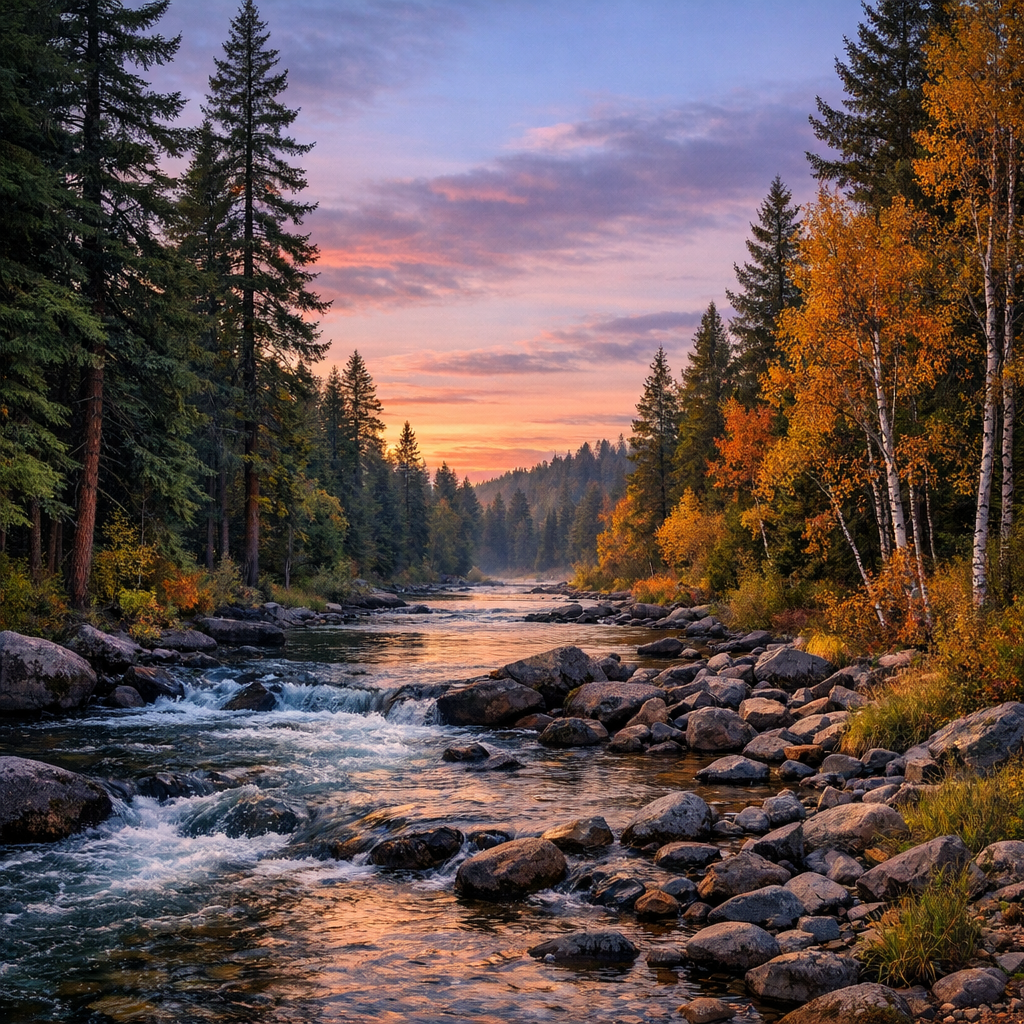
The region around Taylors Falls is famous for its forests, rivers, and seasonal beauty—but these natural systems are increasingly under pressure. As trees, soil, and water interact with a shifting climate, our local environment is changing in ways that affect water quality, forest health, and life along the St. Croix Valley.
Typical Weather Patterns & Seasonal Shifts
Here in Taylors Falls, the climate swings between warm, wet summers and cold, snowy winters. Summer highs average in the low 80s°F, while winter highs often stay below freezing. The growing season—when average daily high temperatures exceed about 69°F—runs roughly from mid‐May through mid‐September. The cold season, with highs below 35°F, spans from late November to early March.
But recent data suggests these seasons are shifting. Winters are becoming milder and shorter, while heavy rainfall events are occurring more often. These shifts stress soils, trees, and waterways alike.
Forest Health: A Cornerstone for Clean Water
Forests around Taylors Falls play three critical roles for water quality: they act like an umbrella slowing rainfall, their soils filter pollutants, and they function like a sponge, absorbing snowmelt and helping control runoff. Together these processes reduce erosion, guard against flooding, and protect the clarity and safety of nearby rivers and lakes.
However, forest health isn’t guaranteed. Threats include invasive pests, disease, fragmentation (when large areas are broken into smaller patches), and harvesting without protections. According to the Minnesota Forest Resources Council, using sustainable management practices—such as protecting riparian zones and limiting soil disturbance—helps maintain forest cover and keeps water ecosystems in balance.
Water Quality Trends & Local Concerns
The Minnesota Pollution Control Agency (MPCA) tracks trends in rivers, lakes, wetlands, and groundwater across the state. They report general improvements in some water clarity and reductions in phosphorus levels, but persistent challenges remain. Nitrate pollution—particularly in waterways or areas with recent agricultural or development changes—is rising in some regions. Groundwater contamination from industrial chemicals like PFAS has also appeared in closed landfill sites.
Nearly half of Minnesota’s stream miles have been physically altered, through straightening, ditching, or other changes. These alterations can increase erosion, weaken habitats for fish and insects, and reduce the ability of natural buffers to mitigate pollutants.
Impacts on the Taylors Falls Area
For our community, several impacts are especially relevant:
- Flood risk grows when heavy rainfall falls on ground that’s frozen or poorly vegetated.
- Sediment and nutrient runoff can cloud rivers like the St. Croix, harm aquatic species, and reduce recreational appeal.
- Invasive species and pests thrive when winters offer milder temperatures, threatening native tree species.
- Drinking water wells that draw from shallow aquifers may be vulnerable to nitrates and chemical seepage.
What Local Steps Help Sustain Forests and Water
Here are actions people in Taylors Falls and nearby can support or take themselves:
- Support riparian buffer zones—leaving or restoring grasses, shrubs, and trees alongside waterways.
- Minimize soil disturbance when harvesting or developing land, especially near streams.
- Advocate for sustainable forest management guidelines and hold public agencies accountable for monitoring and enforcement.
- Reduce or manage use of fertilizers; ensure proper sealing and regulation of old landfill sites.
- Participate in water quality monitoring—many lakes and streams in Minnesota benefit from volunteer efforts.
Looking Ahead: Building Resilience
Change is already underway—but many of the forest and water systems around Taylors Falls remain resilient. By working together—residents, agencies, landowners—we can adapt to shifting climate patterns, preserve our forested landscapes, and protect the clear rivers and lakes that define this region. With careful stewardship, the next decades can be healthier for both nature and people in the St. Croix River Valley.