

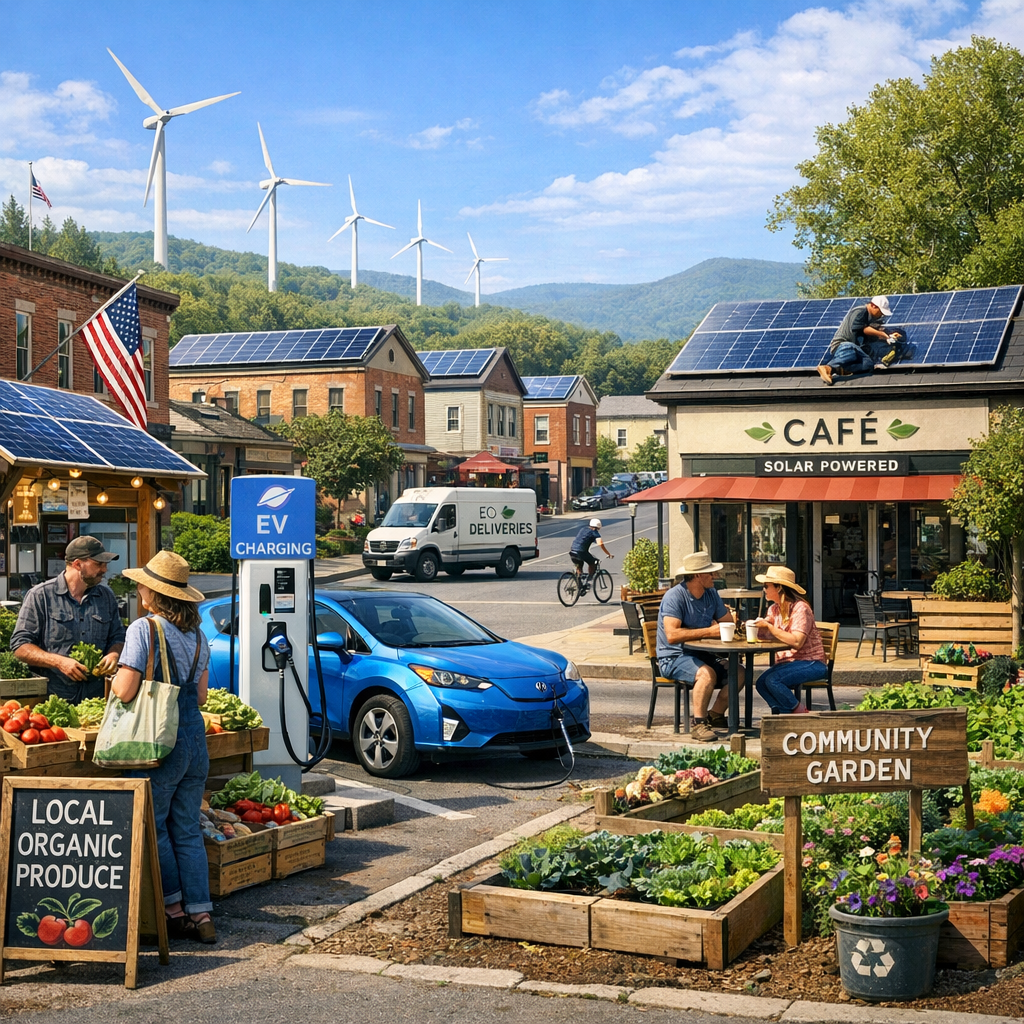
In an increasingly interconnected world, global events and trends have profound effects on small towns across the United States, including our own Taylors Falls, Minnesota. Understanding these influences is crucial for our community’s resilience and growth.
Economic Shifts and Remote Work
The rise of remote work has led to the emergence of “Zoom Towns,” where individuals relocate from urban centers to rural areas, seeking a better quality of life. This trend has been particularly notable in the rural West, where small towns have experienced population growth due to remote workers settling in these areas. While this influx can stimulate local economies, it also presents challenges such as increased housing demand and pressure on local infrastructure.
Climate Change and Environmental Challenges
Climate change poses significant risks to rural communities. Increased frequency of extreme weather events, such as floods and droughts, can disrupt local economies and strain resources. For instance, the Mississippi River, a vital economic corridor, faces threats from water scarcity and severe weather events, impacting communities along its banks. Proactive planning and adaptation strategies are essential to mitigate these risks.
Immigration and Cultural Dynamics
Immigration patterns also influence small towns. Some communities have canceled cultural festivals due to fears of immigration enforcement actions, affecting local economies and social cohesion. Conversely, other towns have embraced refugees and immigrants, recognizing their potential to revitalize declining populations and contribute to economic growth. These differing responses highlight the complex dynamics at play in rural America.
Infrastructure and Technological Advancements
Advancements in technology, including the expansion of artificial intelligence and data centers, have implications for rural areas. Increased water and energy demands from these facilities can strain local resources. Additionally, the need for robust digital infrastructure to support remote work and education has become more apparent, underscoring the importance of investing in broadband and other technologies to ensure rural communities remain competitive and connected.
As global events continue to unfold, it’s imperative for small towns like Taylors Falls to stay informed and adaptable. By understanding these broader trends, we can develop strategies that leverage opportunities and address challenges, ensuring a vibrant and sustainable future for our community.